1 LARGE BOX 14" A-Grade Premium - 200 sq.ft. RESIDENTIAL DELIVERY
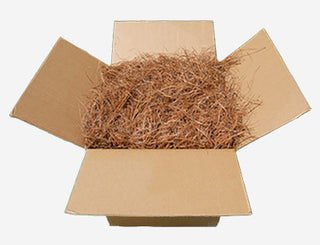
One large box of premium 14-inch long-needle pine straw — 4 bales covering 200 square feet at a 2-inch depth. At the 3–4 inch...
Blueberries live or die by their root zone — shallow, thirsty, and fussy about acidity. Long-needle pine straw is the mulch that keeps that zone moist, weed-free, and acidic, season after season.
Straight talk: pine straw won't magically acidify your soil — that's a myth. What it does do is hold the acidity you've already built, while solving the moisture and weed problems that actually limit your yield.
Below 5.5 is where iron and manganese stay available to the roots. Drift higher and leaves yellow before the season starts.
Blueberry growers deserve better than the recycled myth. Here's what the extension research really says — and why pine straw is still the answer.
"Pine needles acidify your soil — perfect for acid-loving blueberries."
Oregon State, Maryland, and UNH extension all found the same thing: pine straw has little lasting effect on established soil pH. Fresh needles are acidic, but they break down at the surface and the effect on the root zone is small. If your soil's acidic, it was usually acidic to begin with.
Pine straw protects the acidity you've worked to build.
Unlike hardwood bark or limed compost — which quietly push pH up and starve blueberries of iron — pine straw stays neutral-to-acidic as it decomposes. It holds your window at 4.5–5.5 instead of eroding it. That's the real job, and it does it for years.
Blueberry roots sit in the top few inches and dry out fast. A pine straw blanket cuts evaporation and keeps the root zone evenly damp through summer heat.
Blueberries lose badly to weeds. A dense needle mat blocks light from weed seeds — and unlike hay or straw, it doesn't bring its own weed seeds to the party.
Insulates roots from summer scald and the winter freeze-thaw heaving that cracks crowns and opens canes to disease. Mulch in fall, protect all year.
Pine straw outlasts straw and grass clippings by seasons. Lay a base layer and most growers top up just once a year — less labor, less cost over time.
The woven needle structure lets water and air move through to the roots — no soggy mat sealing off the soil the way matted leaves or fine bark can.
That same interlocking mat grips windy fields and graded rows instead of washing or blowing off — a real advantage in the Pacific Northwest's wet season.
This isn't a generic square-footage box. Tell us how your blueberries are planted — by the row like a farm, or by the area like a backyard bed — and we'll size it in boxes and pallets.
Most commercial growers mulch a 3–4 ft strip down each row rather than the whole field. Depth of 3–4" is the blueberry sweet spot.
Enter your planting to see the order.
Coverage ratings are at a 2" depth and scale automatically to your chosen depth. Quotes come straight from live catalog pricing — multi-pallet bundles include their volume discounts.
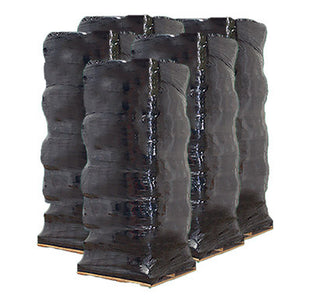
Every product is long-needle and weed-seed-free, sold by the box (4 bales) or the pallet (48 bales). Filter by what you're mulching and how much you need.

One large box of premium 14-inch long-needle pine straw — 4 bales covering 200 square feet at a 2-inch depth. At the 3–4 inch...

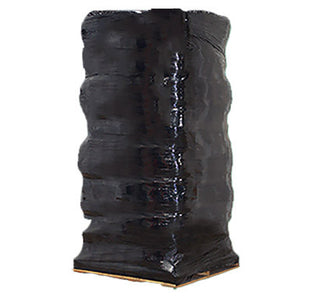
One pallet of premium 14-inch long-needle pine straw — 48 hand-carryable bales covering 3,000 square feet at a 2-inch depth. At the 3–4 inch...

Two large boxes of premium 14-inch long-needle pine straw — 8 bales covering 400 square feet at a 2-inch depth. At the 3–4 inch...

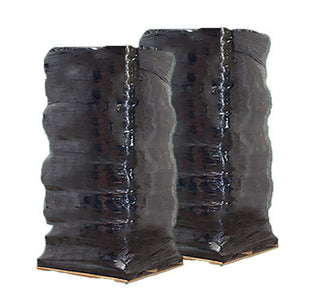
Two pallets of premium 14-inch long-needle pine straw — 96 hand-carryable bales covering 6,000 square feet at a 2-inch depth. At the 3–4 inch...

Three large boxes of premium 14-inch long-needle pine straw — 12 bales covering 600 square feet at a 2-inch depth. At the 3–4 inch...

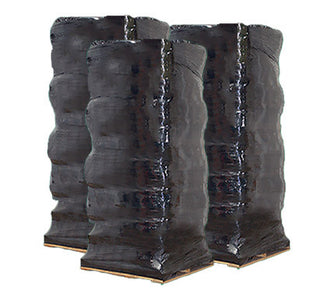
Three pallets of premium 14-inch long-needle pine straw — 144 hand-carryable bales covering 9,000 square feet at a 2-inch depth. At the 3–4 inch...

Four large boxes of premium 14-inch long-needle pine straw — 16 bales covering 800 square feet at a 2-inch depth. At the 3–4 inch...

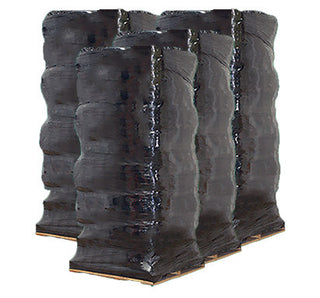
Four pallets of premium 14-inch long-needle pine straw — 192 hand-carryable bales covering 12,000 square feet at a 2-inch depth. At the 3–4 inch...

Five large boxes of premium 14-inch long-needle pine straw — 20 bales covering 1,000 square feet at a 2-inch depth. At the 3–4 inch...

Five pallets of premium 14-inch long-needle pine straw — 240 hand-carryable bales covering 15,000 square feet at a 2-inch depth. At the 3–4 inch...

Six large boxes of premium 14-inch long-needle pine straw — 24 bales covering 1,200 square feet at a 2-inch depth. At the 3–4 inch...

Seven large boxes of premium 14-inch long-needle pine straw — 28 bales covering 1,400 square feet at a 2-inch depth. At the 3–4 inch...

Eight large boxes of premium 14-inch long-needle pine straw — 32 bales covering 1,600 square feet at a 2-inch depth. At the 3–4 inch...

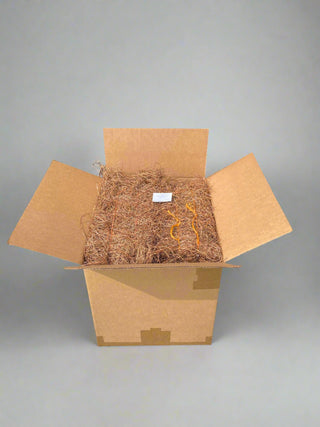
One sample box of premium 14-inch long-needle pine straw — covers about 50 square feet, enough to see the color, needle length, and coverage...
Four steps that separate a thriving blueberry planting from a struggling one. Same rules whether you've got four bushes or four hundred rows.
Clear the row or bed before you lay straw — the mat keeps new weeds out, but it'll happily preserve the ones already there.
Thick enough to block light and hold moisture, not so thick it suffocates roots. Spread it even across the whole root zone, not just the trunk.
Keep a 2–3" gap between straw and each stem. Mulch packed against the crown traps moisture and invites rot — the most common mistake.
Top up a thin layer each fall to guard against freeze-thaw heaving, or in spring to lock in moisture before summer. One pass is usually plenty.
A working library of best practices — pulled from university extension programs, the USDA, and the U.S. Highbush Blueberry Council, checked against the research and refreshed each season. No folk wisdom.
Every entry below traces back to sources like these — not blog hearsay.
Blueberries need a soil pH of 4.5–5.5 to keep iron and manganese available. Elemental sulfur is the most reliable way to lower it, but soil bacteria convert it slowly — work it in at least a year ahead, never on saturated soil. Established plantings hold the range with ammonium fertilizers and, where water is alkaline, acid injection.
Target 4.5–5.5 · sulfur ≥ 1 yr aheadMature plants want 1–2 inches of water a week, and their shallow roots dry out fast in well-drained soils. Drip (trickle) irrigation is the preferred method: it delivers water to the root zone, keeps foliage dry to limit disease, and uses far less water than sprinklers. Run the lines underneath the mulch.
1–2 in / week · drip preferredA 3–4 inch organic mulch — pine straw, pine bark, or needles — conserves moisture, blocks weeds, moderates soil temperature, and maintains acidity as it breaks down. Keep a 2–3 inch gap between mulch and each stem to prevent crown rot, and refresh the layer yearly.
3–4 in deep · yearly top-upBlueberries use the ammonium form of nitrogen and struggle to process nitrate, so growers reach for ammonium sulfate or urea and avoid nitrate and chloride fertilizers. The plants are very sensitive to soluble salts — band fertilizer a few inches from the base rather than concentrating it, guided by soil and tissue tests.
Ammonium-N · band, don't pileEvery cultivar needs a set number of chill hours (time near 32–45°F) to flower properly. Northern highbush want 800–1,000+ hours and suit cool regions; southern highbush (200–600) and rabbiteye fit mild-winter climates like Florida and California. Plant the wrong chill class and bloom comes in sparse and uneven — and rabbiteye need a second rabbiteye variety to pollinate.
NH 800–1,000h · SH/RE 200–600hSpotted wing drosophila is the headline pest: females lay eggs in ripening fruit, and one female can produce hundreds with a new generation in 8–10 days. Hang monitoring traps and act at the first catch as berries turn. Sanitation — removing cull fruit, thinning canes, controlling weeds — cuts pressure for SWD and fungal diseases like mummy berry alike.
Monitor early · sanitation firstLess water used by drip irrigation than micro-sprays and sprinklers — while growing the most plant — in USDA-ARS field trials on northern highbush blueberry. The case for drip, in one number.
Eggs a single spotted wing drosophila female can lay, with a new generation every 8–10 days in warm weather. Why early trapping beats reacting to larvae you can already see.
We add to this library every season. Sources are university extension programs, the USDA, and the U.S. Highbush Blueberry Council — always cited, always current.
Get new guidesFrom a few pallets to a full reefer lane, we ship pine straw to commercial blueberry operations across the country.